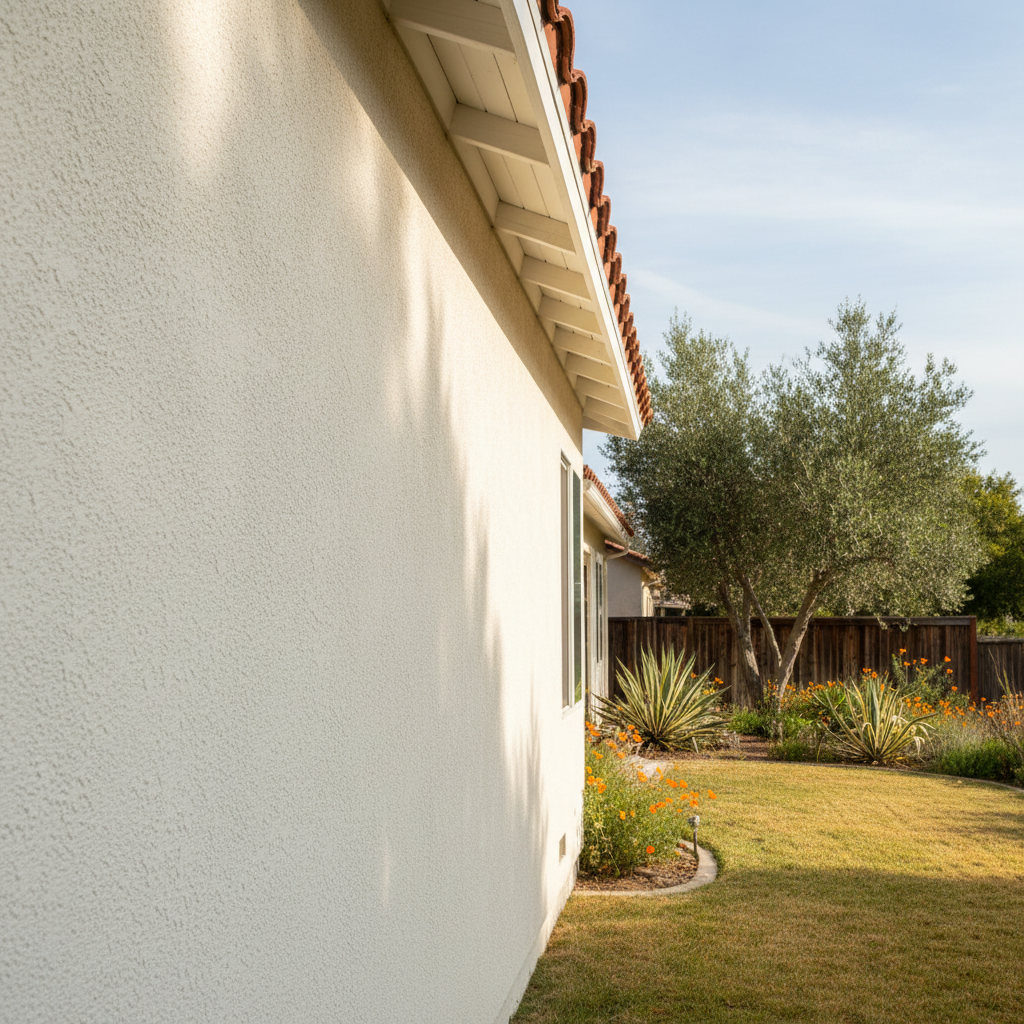
Alright, let's talk stucco. You've got it on your home here in Modesto, and for good reason. It handles our hot, dry summers and occasional rains pretty darn well, offering good thermal benefits. But "durable" doesn't mean "bulletproof." To keep it doing its job – protecting your home and looking sharp – you've got to give it a little love. I've seen too many homes where a small issue turned into a big headache, all because of neglected maintenance. So, let's get into what you need to know.
Making Your Stucco Last Longer
You want your stucco to last, right? It's a big investment. The good news is, a little proactive care goes a long way, especially with our Central Valley climate. Here's what I recommend:
- Look it Over Regularly: I can't stress this enough. Walk around your house at least once a year, maybe twice – once after summer, once after winter. Look for anything out of the ordinary. After a big storm or a heatwave, it's a good idea to take another peek. Catching small problems early is how you prevent them from becoming expensive disasters.
- Don't Forget Your Weep Screeds: This is a critical one, and often overlooked. That metal strip at the very bottom of your stucco wall? That's your weep screed. Its job is to let any moisture that gets behind the stucco drain out and away from your house. It also helps maintain a gap between the stucco and the ground. Make sure it's clear of dirt, landscaping, or anything else that could block those little drainage holes. Never, ever caulk over the weep holes; that'll trap moisture and cause real problems. If your weep screed is buried, rusted, or damaged, that's a red flag.
- Sealants and Flashing Really Matter: Around your windows, doors, and any penetrations (like pipes or vents), you've got sealants and flashing. These are your first line of defense against water getting behind the stucco. Our intense Modesto sun can really bake these materials, causing them to dry out and crack. Check them annually and reapply high-quality, UV-resistant sealants as needed. If you see any damaged or worn flashing, get it replaced.
- Watch Those Expansion Joints: Stucco naturally expands and contracts with temperature changes. Expansion joints (also called control joints) are those deliberate breaks in the stucco designed to manage this movement and prevent cracking. These joints often have sealant in them, and just like around your windows, that sealant can degrade. Inspect them regularly for cracks, gaps, or material that's come loose. If the sealant is failing, it needs to be repaired or replaced to ensure the joint can do its job and prevent water intrusion.
Easy Maintenance You Can Do Yourself
This isn't rocket science, just good homeowner habits:
- Clean Your Stucco: Dirt, dust, and even our famous Modesto pollen can build up. A good cleaning once a year keeps it looking fresh and helps you spot issues. Use a garden hose with low pressure and a mild detergent. A soft brush can help with stubborn spots. Don't blast it with a high-pressure washer; that can force water into the stucco and cause damage.
- Trim Back Landscaping: Keep bushes, trees, and vines from growing directly against your stucco. They can trap moisture, rub against the surface, and hide problems. Give your stucco some breathing room.
- Deal with Stains Right Away: If you see green (algae) or black (mildew) stains, clean them. These indicate moisture and can lead to bigger issues if left unchecked.
Signs Your Stucco Might Be in Trouble
Your stucco will usually tell you when something's wrong. Here's what to look for:
- Cracks: Not all cracks are created equal. Hairline cracks are common and often just cosmetic. But if you see cracks that are wider than a credit card, spiderwebbing, or running horizontally or vertically for long distances, especially around windows or doors, that's a concern. These can indicate structural movement or water intrusion.
- Bulging or Soft Spots: If your stucco feels soft, spongy, or looks like it's bubbling or bulging, that's a serious sign of trapped moisture and potential rot underneath. Don't poke at it too much, but definitely get it checked out.
- Discoloration or Staining: Dark streaks, especially below windows or at the base of walls, often mean water is getting in and running down behind the stucco. White, powdery residue, called efflorescence, is also a sign of moisture. It happens when water dissolves salts in the stucco and carries them to the surface as it evaporates. While often just cosmetic, it can point to underlying moisture issues that need attention.
- Loose or Crumbling Stucco: If pieces are flaking off or it feels loose when you tap on it, the stucco's integrity is compromised.
- Separation from Trim or Openings: If the stucco is pulling away from window frames, door frames, or other trim, those gaps are open invitations for water.
When It's Time to Call a Pro
Some things you can handle, but for others, you need an expert. Here's when to pick up the phone:
- Any Sign of Water Getting In: If you suspect water is getting behind your stucco – those bulges, significant staining, or persistent efflorescence – don't delay. Water is the enemy of your home's structure. A professional can find the source of the leak and fix it properly.
- Big or Structural Cracks: If you've got cracks that are more than hairline, or if they're growing, a pro needs to assess the cause and repair them correctly. We've got the tools and knowledge to make sure the repair blends in and, more importantly, holds up.
- Damaged Weep Screeds or Flashing: These are critical components. If they're compromised, you need a professional to repair or replace them to ensure proper drainage.
- Lots of Stucco Damage: If you're looking at large areas of loose, crumbling, or missing stucco, it's beyond a DIY patch job. We can assess the damage, repair the substrate, and reapply stucco that matches your existing finish.
- Unsure What You're Looking At: If you see something odd and you're not sure if it's a problem or not, it's always better to get a professional opinion. A quick inspection can save you a lot of grief down the road.
Here at Modesto Stucco & Plastering, we've been working on homes in this area for years. We understand the specific challenges our climate presents to stucco. Don't wait until a small issue becomes a major repair. Keep an eye on your stucco, follow these tips, and if you see something that worries you, give us a call. We're always happy to help homeowners keep their properties in top shape.