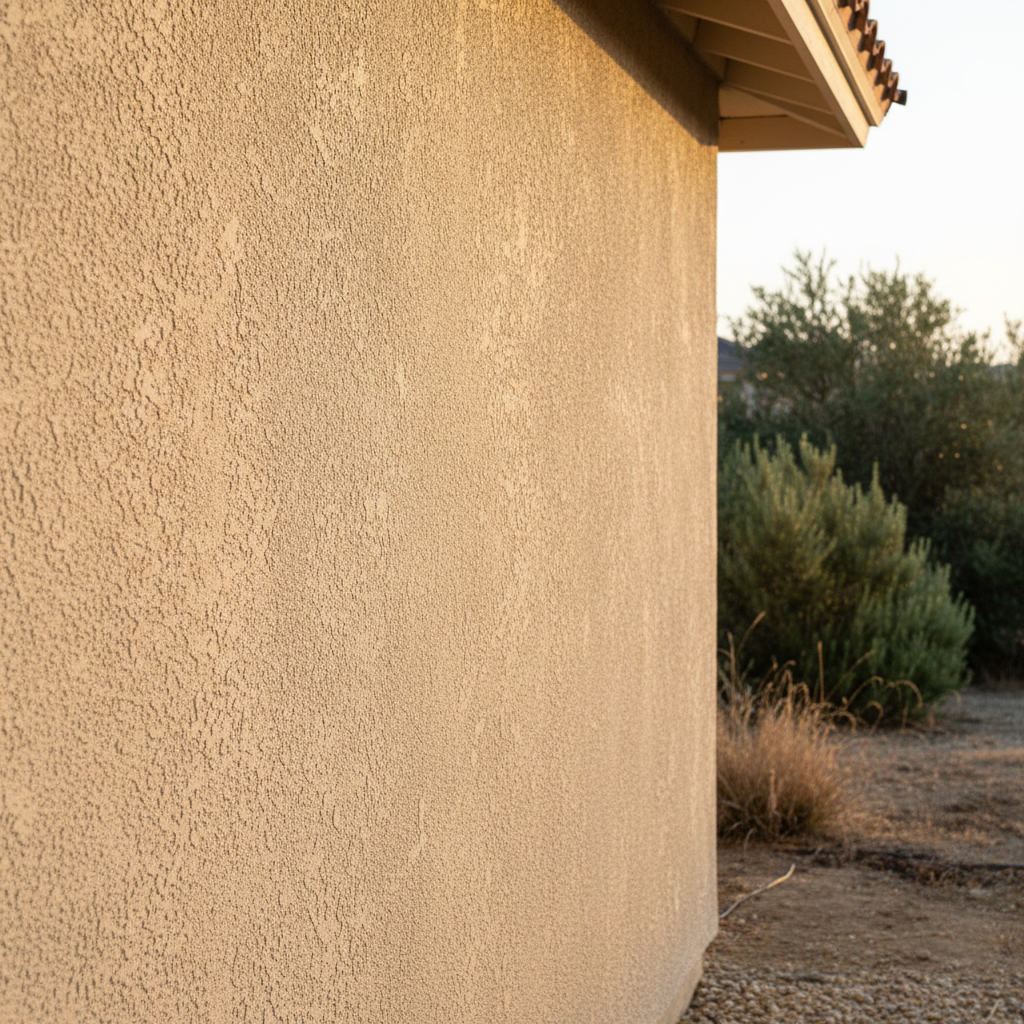
You've got questions about stucco inspections, and I'm here to give you straight answers. I've been working with stucco all over Modesto for years, from the older homes downtown to the newer builds out by Salida, and I've seen it all. People often call me up with the same concerns, so I figured I'd put together a little FAQ to clear things up. This isn't marketing fluff; it's just what I know from being out in the field.
Why do I even need a stucco inspection? Isn't it just for EIFS?
That's a common misconception. A lot of folks think stucco inspections are only for EIFS (Exterior Insulation and Finish Systems) because those had some well-publicized moisture issues back in the day. But traditional stucco, the hard stuff we mostly see around here, needs inspecting too. It's a durable material, no doubt, but it's not invincible. Over time, cracks happen, sealants fail, and water can find its way in. An inspection isn't just about finding big, obvious damage; it's about catching those small issues before they turn into major, expensive problems. Think of it like a check-up for your house's skin.
What does a typical stucco inspection involve?
When I do an inspection, I'm looking at a lot more than just the surface. First, I do a thorough visual walk-around. I'm checking for cracks, bulges, discoloration, and any signs of moisture getting in around windows, doors, and rooflines. I'm also looking for improper flashing, areas where the stucco meets other materials, and places where water might pool. Then, I'll use a moisture meter to take readings in suspicious spots. This helps me pinpoint hidden moisture behind the stucco without tearing anything open. If the moisture readings are high, we might need to do some small, intrusive tests – usually drilling a tiny hole that's easily patched – to get a definitive answer. I'll also check the foundation, grading, and gutters to see how water is being managed around your home, because that all affects your stucco.
How often should I get my stucco inspected?
For most homes, especially those with traditional stucco, I'd recommend a professional inspection every 3-5 years. If your home is older, or if you've noticed any issues like persistent staining, new cracks, or peeling paint on the stucco, then you should definitely get it checked sooner. Also, if you're buying or selling a home, a stucco inspection is a smart move. It gives both buyers and sellers confidence and can prevent headaches down the road. Modesto's hot, dry summers and occasional heavy winter rains can be tough on exterior finishes, so regular checks are just good practice.
Can I do a stucco inspection myself? What should I look for?
You can definitely do a basic visual check yourself, and you absolutely should! Walk around your house a couple of times a year. Look for:
- Cracks: Hairline cracks are common, but look for wider cracks (thicker than a credit card) or cracks that spiderweb.
- Stains: Dark streaks or discoloration, especially below windows or at the base of walls, can indicate water entry.
- Bulges or Soft Spots: Press gently on the stucco in different areas. If it feels soft, spongy, or bulges out, that's a red flag.
- Sealant Condition: Check the caulk around windows, doors, and where the stucco meets other materials. If it's cracked, missing, or pulling away, it needs attention.
- Drainage: Make sure your gutters are clean and downspouts direct water away from the foundation. Check that the ground slopes away from your house.
While a DIY check is good for spotting obvious problems, it's no substitute for a professional inspection with specialized tools like moisture meters. We can find issues you'd never see.
What if the inspection finds problems? What happens next?
If we find issues, don't panic. The inspection report will detail exactly what problems were found, their severity, and often, potential causes. It'll also include recommendations for repair. For example, if we find high moisture readings around a window, the recommendation might be to remove a small section of stucco, fix the flashing, repair any damaged sheathing, and then re-stucco that area. My team at Modesto Stucco & Plastering can usually handle any repairs needed, from minor crack repair to more extensive water damage remediation. We'll give you a clear estimate and explain the process every step of the way.
Will a stucco inspection delay my home sale or purchase?
It shouldn't, not if you plan for it. If you're selling, getting an inspection done before listing can actually make your home more attractive. You can address any issues upfront or disclose them transparently. If you're buying, make the stucco inspection part of your contingency period, just like a general home inspection. It's much better to know about potential problems before you close than to discover them after you've moved in. A few extra days for an inspection is a small price to pay for peace of mind.
How much does a stucco inspection cost in Modesto?
The cost of a stucco inspection can vary depending on the size and complexity of your home, and whether it's a visual-only or an intrusive inspection. Generally, you're looking at a few hundred dollars. It's an investment, not an expense. Think about what it would cost to repair extensive water damage, mold, or structural issues that could have been prevented by an earlier inspection. That's usually thousands, sometimes tens of thousands, of dollars. A professional inspection is a bargain when you consider the potential savings. Always get a clear quote upfront so there are no surprises.