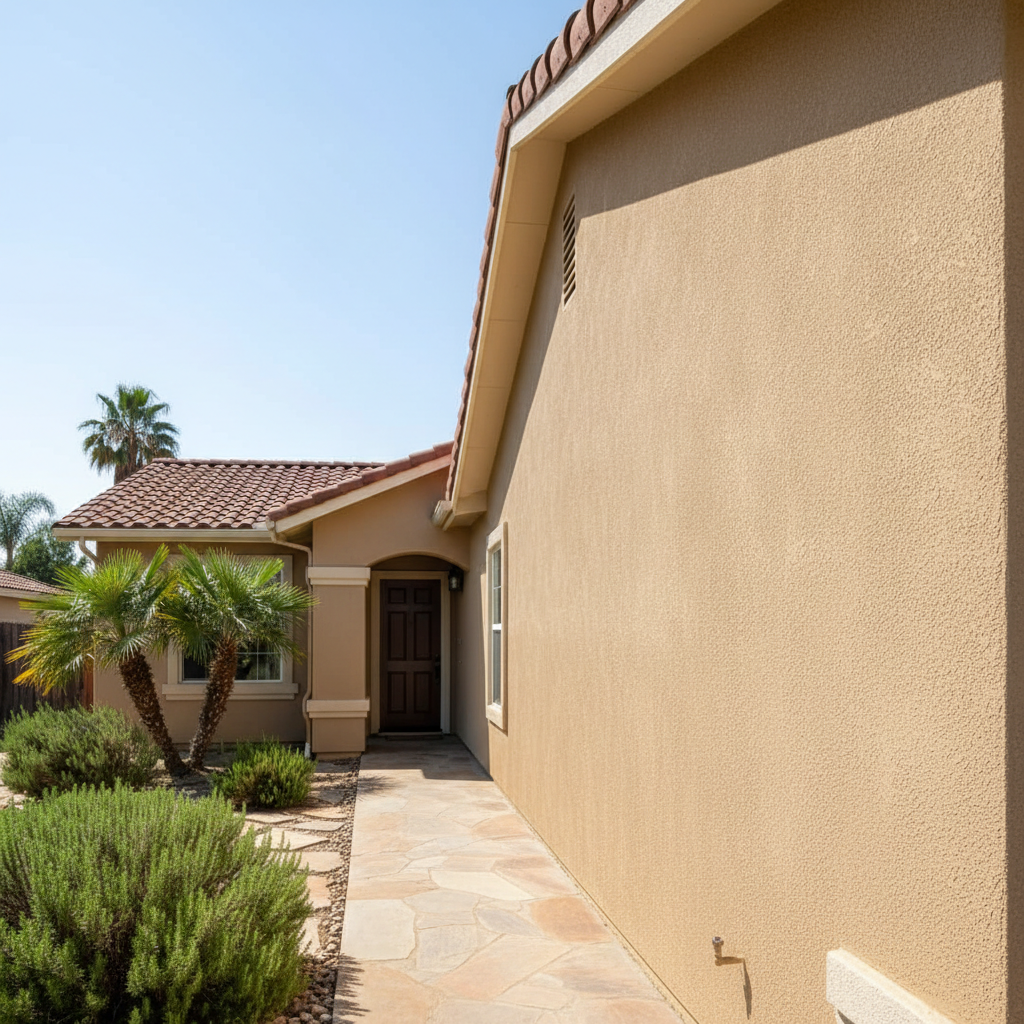
So, you've just had your stucco painted, or maybe you're thinking about it. Either way, you've made a good choice for your Modesto home. A fresh coat of paint doesn't just make your place look good; it adds a layer of protection to that stucco finish. But getting it painted is only half the battle. If you want that paint job to last, you've gotta put in a little effort. I've seen plenty of homes around here, from the older places in La Loma to the newer builds out by Salida, and the ones that really hold up are the ones where folks take care of their stucco.
Extending Your Stucco Paint's Lifespan
The biggest thing you can do to make your stucco paint last is pretty simple: keep it clean. Our Modesto climate, with those long, hot summers and occasional dusty winds, means your house is going to collect dirt and grime. If you let that stuff sit there, it can actually degrade the paint over time. Think of it like sunscreen for your house – a clean surface helps the paint do its job better.
Another key is making sure your gutters and downspouts are working right. I know, it sounds basic, but water is stucco's number one enemy. If water's constantly running down your walls because of a clogged gutter, it'll wear away the paint, cause streaks, and eventually lead to bigger problems. Make sure they're clear and directing water away from your foundation.
Also, trim back any bushes or trees that are directly touching your stucco. Not only can they rub against the paint and wear it down, but they can trap moisture against the wall, which is a recipe for mildew and paint failure, especially on the shadier sides of your house.
Regular Maintenance You Can Do
Okay, so what does 'keeping it clean' actually mean? For most stucco homes, a gentle wash once a year is usually enough. You don't need a high-powered pressure washer for this – in fact, I'd strongly advise against it unless you really know what you're doing. A pressure washer can actually damage stucco and blast off paint if used incorrectly. A garden hose with a spray nozzle, some mild detergent (like dish soap), and a soft-bristle brush is usually all you need. Start from the bottom and work your way up, then rinse thoroughly from top to bottom.
While you're washing, it's a good time to do a quick inspection. Look for any areas where the paint might be bubbling, peeling, or cracking. Pay extra attention around windows, doors, and any other penetrations in the stucco. These are common spots for water intrusion.
And don't forget about caulking. The caulk around your windows and doors is crucial for keeping water out. Check it every year. If it's cracked, shrunken, or missing, it's an easy fix that can save you a lot of headaches down the road. Just scrape out the old stuff and apply a fresh bead of good quality exterior caulk.
Warning Signs You Shouldn't Ignore
Here's where you really need to pay attention. If you see any of these, it's time to take action:
- Cracks in the stucco: Small hairline cracks are pretty common and usually not a huge deal, especially with our temperature swings here in the Valley. But if you see cracks that are wider than a credit card, or if they're running in a spiderweb pattern, that's a red flag.
- Peeling or blistering paint: This often means moisture is getting behind the paint. It could be from a leak, or it could be that the surface wasn't properly prepared before painting.
- Discoloration or staining: Dark streaks, green patches, or white powdery residue (efflorescence) can all point to water problems or mold/mildew growth. Our humidity can get pretty high in the winter mornings, so mildew isn't uncommon on north-facing walls.
- Soft spots: If you gently press on the stucco and it feels soft or spongy, that's a serious sign of water damage and potential rot underneath.
- Loose stucco: If you tap on the stucco and it sounds hollow or you can see it separating from the wall, that's a structural issue that needs immediate attention.
When to Call a Professional
For small, cosmetic issues like minor dirt or a little bit of mildew, you can probably handle it yourself. But if you're seeing any of those warning signs I just mentioned, especially anything involving cracks, peeling, or soft spots, it's really time to call in the pros. Trying to patch up significant stucco damage yourself can often make things worse, and you might just be covering up a bigger problem.
Here at Modesto Stucco & Plastering, we've been dealing with stucco issues for years. We know what to look for, and we know how to fix it right the first time. Sometimes it's just a simple repair and repaint, other times it might be a bigger underlying issue that needs to be addressed. Don't wait until a small problem becomes a major repair bill. A professional inspection can give you peace of mind and help you protect your home's value.
Taking care of your stucco paint isn't rocket science, but it does require a little vigilance. A well-maintained stucco finish not only looks great but also protects your home from the elements, and that's an investment worth protecting.