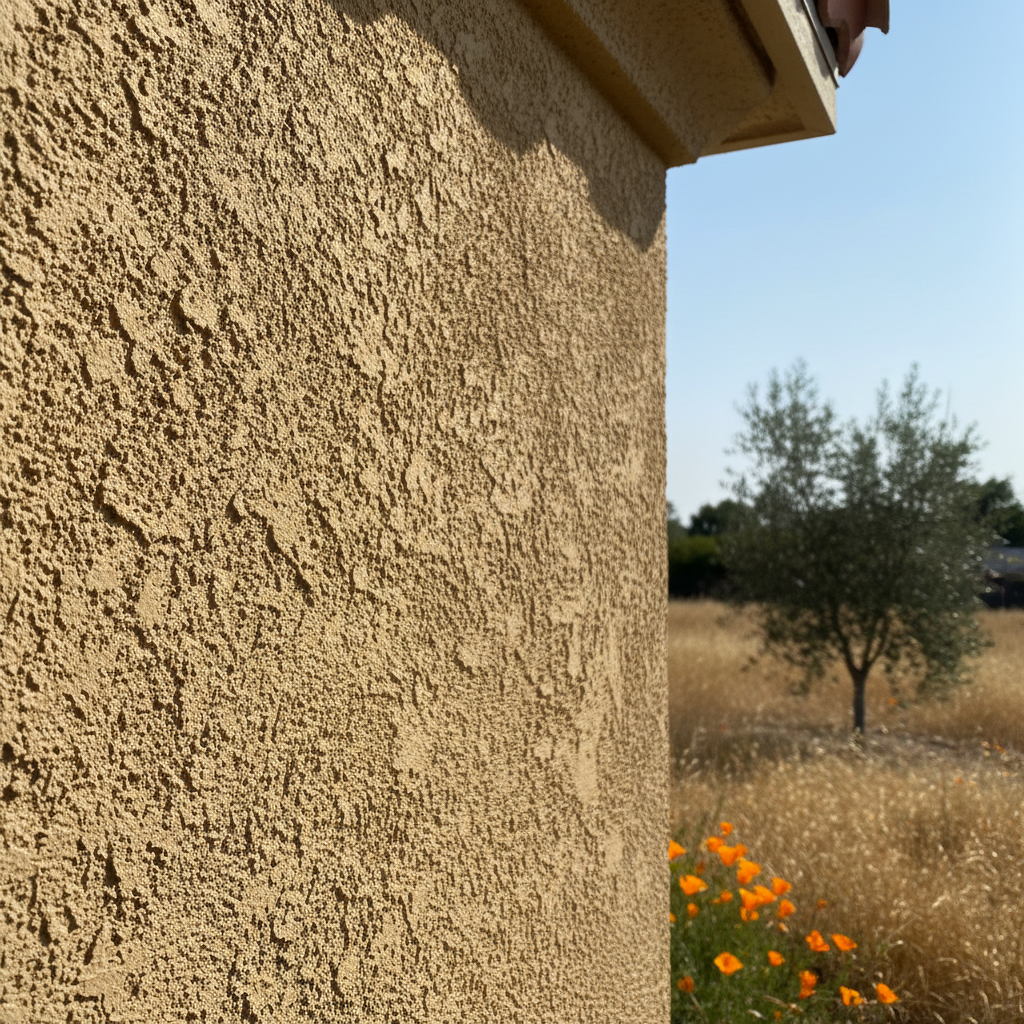
Alright, let's talk stucco. As a homeowner here in Modesto, you've got this tough, good-looking exterior on your house, and you definitely want to keep it that way. But stucco isn't something you can just put up and forget about. It needs a little attention, and knowing what to look for can really save you a lot of grief — and money — down the road. I'm going to walk you through what you can realistically check yourself and when it's smart to just pick up the phone and call a pro, like us at Modesto Stucco & Plastering.
Before You Grab the Ladder: Your Pre-Inspection Prep
Before you even step outside, grab a notepad and a pen. You're going to be a bit of a detective for a while. Think about your house's past. Did you just move in? Is it an older place in, say, the College Area, or a newer build out in Salida? The age of your home can tell you a lot about potential stucco problems. Older homes, for instance, might not have had the modern flashing requirements, making them more likely to have moisture issues. It's just how things were built back then.
- Walk Around Annually: Make this a regular thing. Once a year, do a really thorough walk-around. After a good rain is often a perfect time to spot problems, by the way.
- Check Your Irrigation: This is a big deal here in Modesto. Our hot, dry summers mean sprinklers are running constantly. So, make sure your sprinklers aren't always drenching your stucco. Stucco, like most building materials, is made to shed water, not to constantly soak it up. Consistent overspray can cause moisture to get absorbed and then seep inward.
- Look at Your Gutters and Downspouts: Are they clean? Are they actually directing water away from your foundation and walls? Clogged gutters can make water overflow and run right down your stucco, and that's just asking for trouble.
Your DIY Stucco Inspection: What to Look For
Okay, now let's head outside. You don't need any fancy gear, just your eyes, maybe a flashlight, and a small, non-marring tool like a plastic mallet or even the handle of a screwdriver for tapping.
Cracks: The Good, The Bad, and The Ugly
Cracks are probably the most common thing you'll notice. Not every crack means an emergency, but you really need to know the difference.
- Hairline Cracks: These are tiny, super-thin lines, usually less than 1/16th of an inch wide. They often show up from normal house settling, drying too fast, or temperature changes. Our Central Valley climate, with its big temperature swings, really stresses stucco, causing it to expand and contract. Most hairline cracks are just cosmetic and don't immediately threaten your home's structure, but they *can* let moisture in if you leave them alone.
- Spiderweb Cracks: These look like a network of fine cracks. Similar to hairline cracks, they're often just on the surface and usually point to drying shrinkage or a bad mix when the stucco was first put on.
- Larger, Deeper Cracks: If you spot cracks wider than a credit card, or ones that run horizontally, vertically, or in a stair-step pattern (especially around windows or doors), pay close attention. These can signal more serious issues like foundation movement, structural problems, or flashing failures. Modesto's clay-rich soil, for example, can certainly contribute to foundation movement, leading to these kinds of cracks.
Stains and Discoloration
Stains are a huge red flag for moisture. A really big one.
- Dark Streaks or Spots: Look especially below windows, rooflines, or vents. These often mean water is finding its way behind the stucco.
- Efflorescence: This looks like white, powdery stuff on the surface. It's minerals leaching out as water evaporates from behind the stucco. It's a clear sign that moisture is getting in.
- Rust-Colored Streaks: This is seriously bad news. It means the metal lath or fasteners behind your stucco are corroding because of water exposure. Yikes!
Bulges, Bubbles, and Soft Spots
These are signs that the stucco isn't properly stuck on or that there's significant water damage hiding underneath.
- Bulging or Blistering: The stucco might be separating because moisture is pushing it away from the wall.
- Soft Spots: Gently tap around your stucco with that plastic mallet or screwdriver handle. If you hear a hollow sound where it should be solid, or if it feels soft or spongy, that's a definite sign of water damage and potential rot.
Check the Details: Windows, Doors, and the Base of Your Walls
These are common places for water to get in.
- Flashing and Sealants: Look closely around all windows, doors, and where the roof meets the stucco. Are the sealants cracked, missing, or pulling away? Is the flashing bent or installed incorrectly? Bad flashing causes a ton of water intrusion problems.
- Weep Screed: This is that metal or plastic strip at the bottom of your stucco wall, just above the foundation. It has little holes or a V-shape. Its whole job is to let any moisture that gets behind the stucco drain out. Make sure it's not buried by landscaping or dirt, and that the holes aren't clogged. It should be at least 4 inches above grade. If it's damaged or missing, water can get trapped and cause major issues.
When to Call a Pro
So, you've done your inspection, and you've found some things that worry you. Here's when it's absolutely time to bring in the experts:
- Any Signs of Water Intrusion: Rust streaks, efflorescence, dark stains, soft spots, or bubbling stucco. These aren't just cosmetic. Water damage can lead to mold and structural problems, and often, it's been there for 18-36 months before you even see it.
- Large or Deep Cracks: Especially those stair-step cracks, or cracks around windows and doors. These often point to underlying structural movement or flashing issues that really need a professional assessment.
- Damaged or Buried Weep Screed: If your weep screed is broken, rusted, or covered up, it's not doing its job, and that's a huge problem.
- You're Just Not Sure: If you see something and you're not confident in figuring out what it is, don't guess. It's always better to get a professional opinion. Modesto Stucco & Plastering offers thorough inspections that use moisture meters and can find hidden defects.
Catching these issues early is crucial. It can truly be the difference between a small repair and a full-blown, expensive remediation project. Your home is a big investment, and a little proactive inspection goes a very long way in protecting it.